The strategic use of background music in retail environments has long been a subtle yet powerful tool for shaping customer behavior. While shoppers may not always consciously register the melodies floating through a department store or boutique, the psychological impact of carefully curated playlists is undeniable. Retailers and mall operators invest significant resources into crafting sonic landscapes that encourage longer dwell times, higher spending, and positive brand associations.
The science behind retail acoustics reveals fascinating connections between tempo, volume, and consumer psychology. Studies conducted across global markets demonstrate that slower-paced music tends to make shoppers move more leisurely through stores, often resulting in increased basket sizes. Conversely, during peak hours when turnover matters, slightly upbeat tempos can maintain energy without creating rush. The volume sweet spot typically falls between 55-65 decibels - loud enough to be noticed but soft enough to permit normal conversation.
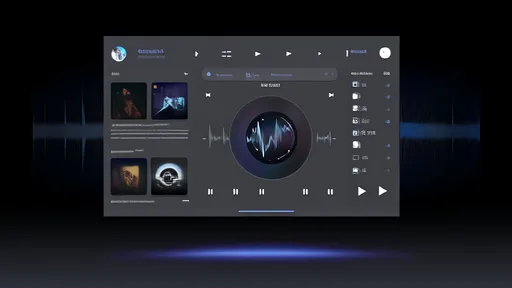
Major shopping centers now employ sophisticated music scheduling systems that automatically adjust playlists based on time of day, customer demographics, and even real-time foot traffic data. Morning hours might feature fresher, more acoustic selections to match the energy of early shoppers, while evening playlists gradually transition to contemporary hits that resonate with after-work crowds. Seasonal adjustments bring holiday classics during festive periods, and regional variations account for local musical preferences.
Genre selection forms the cornerstone of effective retail soundscapes. Luxury brands frequently opt for classical or jazz arrangements to reinforce premium positioning, while youth-oriented stores lean into current chart toppers. The growing field of "sonic branding" has led some retailers to commission original compositions that become as recognizable as visual logos. These audio signatures create consistency across physical and digital shopping experiences.
Emerging technologies are revolutionizing how stores implement music strategies. Cloud-based platforms enable centralized control of audio across multiple locations, with regional managers able to make local adjustments while maintaining brand standards. Some forward-thinking retailers have begun experimenting with responsive systems that change musical elements based on customer movement patterns detected through IoT sensors.
The ethical considerations of retail music strategies deserve examination. While creating pleasant environments benefits both businesses and customers, some critics argue that subconscious musical manipulation crosses into questionable territory. Privacy concerns also emerge with systems that potentially track individual responses to specific audio stimuli. Responsible retailers must balance effective tactics with transparent, respectful practices.
Employee experience represents another critical factor often overlooked in music planning. Staff subjected to repetitive playlists for eight-hour shifts may suffer from "retail music fatigue," potentially impacting service quality. Progressive companies now involve employees in playlist creation or implement separate backroom music channels to maintain morale.
Looking ahead, personalization appears poised to transform retail music strategies. Some concept stores already test systems that allow customers to select preferred background music via smartphone apps. As facial recognition and AI advance, we may see stores that automatically adjust music based on a shopper's demographic profile or even mood indicators. However, such technologies will need careful implementation to avoid creating discomfort or perception of surveillance.
The financial implications of well-executed music strategies continue to impress industry analysts. Case studies from major retailers report sales lifts between 5-15% following audio environment optimizations. When combined with complementary scent marketing and lighting design, the multisensory approach can transform ordinary shopping trips into memorable brand experiences that drive loyalty and repeat visits.
As consumer expectations evolve in an increasingly digital age, the physical retail experience must offer something websites cannot replicate. Thoughtfully designed soundscapes provide one such differentiator, creating emotional connections that transcend transactional relationships. The stores of tomorrow will likely view music not as background filler, but as a primary medium for storytelling and brand expression.
By /Aug 5, 2025
By /Aug 5, 2025

By /Aug 5, 2025

By /Aug 5, 2025

By /Aug 5, 2025

By /Aug 5, 2025

By /Aug 5, 2025

By /Aug 5, 2025

By /Aug 5, 2025

By /Aug 5, 2025

By /Aug 5, 2025

By /Aug 5, 2025

By /Aug 5, 2025

By /Aug 5, 2025

By /Aug 5, 2025

By /Aug 5, 2025

By /Aug 5, 2025

By /Aug 5, 2025

By /Aug 5, 2025

By /Aug 5, 2025