For anyone looking to enhance their audio experience, whether for gaming, music production, or simply enjoying high-quality sound, choosing the right sound card is a crucial step. The market offers a wide range of options, from budget-friendly internal cards to high-end external DACs, making the selection process overwhelming for beginners. Understanding the basics can help you make an informed decision without overspending or compromising on quality.
The Role of a Sound Card
A sound card, also known as an audio interface, processes audio signals and converts them into sound that can be played through speakers or headphones. While most motherboards come with integrated audio, dedicated sound cards provide superior audio quality, reduced interference, and additional features like surround sound or advanced equalization. For audiophiles, musicians, or competitive gamers, investing in a good sound card can make a noticeable difference in clarity and immersion.
Internal vs. External Sound Cards
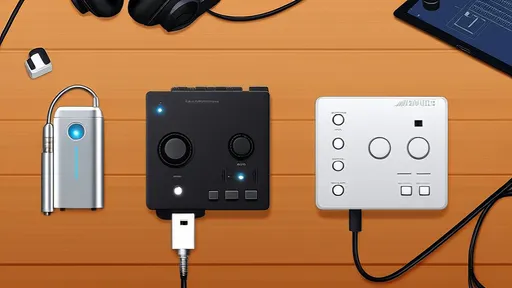
Internal sound cards are installed directly into a computer’s PCIe slot, offering a stable connection and often better performance due to direct access to system resources. They are ideal for desktop users who prioritize audio quality and don’t need portability. On the other hand, external sound cards, or DACs (Digital-to-Analog Converters), connect via USB or Thunderbolt and are perfect for laptops or users who require flexibility. They also tend to have better shielding against electrical interference, which can be a common issue with internal cards.
Key Specifications to Consider
When evaluating sound cards, pay attention to the signal-to-noise ratio (SNR), which measures audio clarity—higher values indicate cleaner sound. Bit depth and sample rate are also important; 24-bit/96kHz is a good baseline for high-quality audio, though professionals might prefer 32-bit/192kHz for studio work. Additionally, look for support for audio standards like Dolby Atmos or DTS:X if you’re aiming for a cinematic surround sound experience.
Connectivity and Compatibility
Ensure the sound card you choose has the right ports for your setup. Common connections include 3.5mm jacks for headphones and speakers, RCA for home audio systems, and optical or coaxial outputs for high-end setups. If you plan to use microphones or instruments, check for XLR or MIDI inputs. Compatibility with your operating system is another critical factor—some cards are optimized for Windows, while others work seamlessly with macOS or Linux.
Budget and Use Case
Your budget and intended use will heavily influence your choice. Entry-level sound cards, priced under $50, are suitable for casual listeners looking to upgrade from onboard audio. Mid-range options ($50-$150) offer better components and features like virtual surround sound, making them ideal for gamers and hobbyists. High-end models ($200 and above) cater to professionals with studio-grade DACs, low-latency performance, and premium build quality.
Brands and Reputation
Reputable brands like Creative, ASUS, Focusrite, and Schiit are known for producing reliable sound cards across different price ranges. Reading reviews and user feedback can help identify models with consistent performance and good driver support. Avoid obscure brands with limited customer support, as driver updates and troubleshooting can become problematic.
Future-Proofing Your Investment
Technology evolves rapidly, so consider whether the sound card you’re eyeing will remain relevant in the coming years. Features like modular designs, firmware updates, and multi-platform support can extend the lifespan of your purchase. If you anticipate upgrading your audio setup, opt for a card with expandable connectivity or modular components.
Ultimately, the best sound card for you depends on your specific needs and preferences. Taking the time to research and compare options will ensure you get the most value out of your investment, whether you’re a casual listener or a dedicated audio professional.
By /Aug 5, 2025
By /Aug 5, 2025
By /Aug 5, 2025
By /Aug 5, 2025

By /Aug 5, 2025

By /Aug 5, 2025

By /Aug 5, 2025

By /Aug 5, 2025

By /Aug 5, 2025

By /Aug 5, 2025

By /Aug 5, 2025

By /Aug 5, 2025

By /Aug 5, 2025

By /Aug 5, 2025

By /Aug 5, 2025

By /Aug 5, 2025

By /Aug 5, 2025

By /Aug 5, 2025

By /Aug 5, 2025

By /Aug 5, 2025