The world of music production has undergone a democratization in recent years, with free digital audio workstations (DAWs) and composition tools putting professional-grade capabilities into the hands of bedroom producers. As someone who's tested nearly every notable free composition software on the market, I've witnessed firsthand how these tools have evolved from basic sequencers to sophisticated platforms rivaling their paid counterparts.
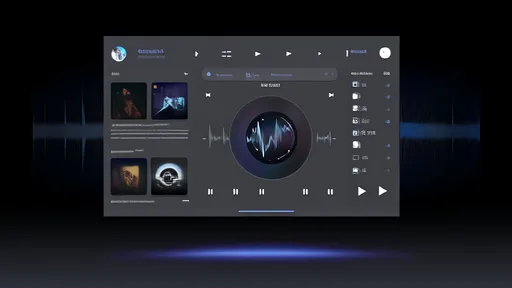
LMMS stands out as one of the most fully-featured free options available. Built on the open-source model, it provides a surprisingly robust workflow with piano roll editing, built-in synthesizers, and support for VST plugins. The interface does show its age compared to modern DAWs, but the recent addition of automation clips and improved MIDI mapping makes it viable for serious composition work. Where LMMS truly shines is in electronic music production—the included presets and samples lend themselves particularly well to EDM and synthwave genres.
For those seeking a more contemporary interface, BandLab's Cakewalk represents what happens when professional software goes free. Originally developed as Sonar before being acquired by BandLab, this DAW offers unlimited tracks, advanced mixing capabilities, and proper support for third-party plugins. The learning curve is steeper than with LMMS, but the payoff comes in the form of professional mixing consoles, sophisticated tempo mapping, and proper audio editing tools that most free software simply doesn't provide.
Mobile producers shouldn't overlook Caustic 3, a remarkably powerful synth workstation that runs on Android and iOS. While limited to eight tracks, its modular approach to synthesis and effects provides depth that belies its mobile nature. The step sequencer and pattern-based workflow make it ideal for electronic musicians on the go, though the lack of proper audio recording limits its versatility compared to desktop alternatives.
What continues to surprise me is how capable browser-based solutions have become. Soundation demonstrates that you don't need to install anything to create professional-sounding tracks. With its cloud-based workflow and real-time collaboration features, it's become a favorite among educators and remote collaborators. The sample library is extensive, though the free version does impose track limitations that make complex arrangements challenging.
The open-source community has produced some hidden gems worth exploring. Ardour stands as perhaps the most professional-grade option for Linux users, though its macOS and Windows versions are equally competent. The audio editing precision rivals paid alternatives, making it particularly strong for post-production work. That said, the interface can feel austere compared to commercial DAWs, and certain workflow aspects require deliberate learning.
What becomes apparent when testing these tools is how specialization has emerged among free options. MuseScore dominates for traditional notation and scoring, while something like Bosca Ceoil caters to chiptune enthusiasts with its intentionally limited palette. This specialization often means the free tools can outperform expensive all-in-one solutions for specific use cases.
The limitations of free software still exist—restricted track counts, missing advanced features, or occasional stability issues. Yet the gap between free and paid solutions narrows with each passing year. For beginners, these tools provide risk-free entry points into music production. For experienced producers, they offer specialized capabilities that sometimes surpass what's available in premium packages. The current landscape proves that financial barriers no longer prevent anyone from creating professional-quality music.
By /Aug 5, 2025
By /Aug 5, 2025
By /Aug 5, 2025
By /Aug 5, 2025

By /Aug 5, 2025

By /Aug 5, 2025

By /Aug 5, 2025

By /Aug 5, 2025

By /Aug 5, 2025

By /Aug 5, 2025

By /Aug 5, 2025

By /Aug 5, 2025

By /Aug 5, 2025

By /Aug 5, 2025

By /Aug 5, 2025

By /Aug 5, 2025
By /Aug 5, 2025

By /Aug 5, 2025

By /Aug 5, 2025

By /Aug 5, 2025