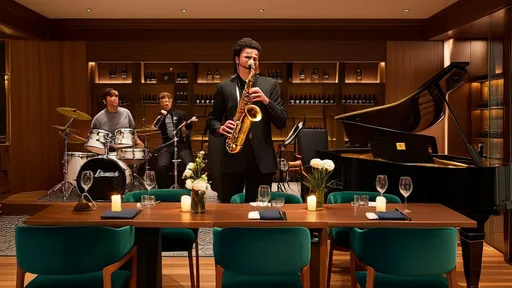
The subtle art of crafting the perfect auditory atmosphere in restaurants is often overlooked, yet it remains one of the most powerful tools in shaping the dining experience. Music doesn’t just fill silence—it orchestrates emotions, guides pacing, and even influences how flavors are perceived. From the gentle hum of a jazz trio to the vibrant beats of global rhythms, the soundtrack of a restaurant is as carefully composed as its menu.
Walking into a high-end establishment, you might notice how the music feels almost invisible, yet undeniably present. The volume is kept low enough to allow conversation but loud enough to create a sense of intimacy. This delicate balance is intentional. Studies have shown that background music played at around 55 decibels enhances the overall dining experience without overwhelming the senses. The genre, too, is meticulously chosen—soft classical or ambient electronic music often dominates these spaces, fostering an air of sophistication and relaxation.
Contrast this with a bustling tapas bar or a lively brunch spot, where the energy of the room is mirrored in its soundtrack. Upbeat Latin jazz, vintage funk, or even curated indie playlists set a tempo that encourages laughter, shared plates, and perhaps an extra round of drinks. Here, the music isn’t just background noise; it’s a co-host, ensuring the vibrancy of the space matches the boldness of the cuisine. The right playlist can turn a simple meal into a celebration, making guests linger longer and return more frequently.
Timing plays a crucial role as well. A well-designed musical arc follows the natural rhythm of service. Early evening might call for mellower tones—acoustic melodies or downtempo electronica—to ease guests into the experience. As the night progresses, the tempo can subtly rise, subconsciously signaling a shift from dining to socializing. This sonic pacing helps manage the energy of the room without a single word from the staff.
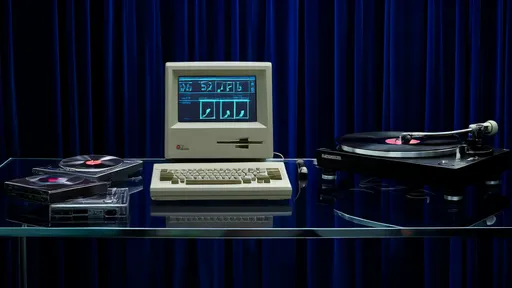
Cultural alignment is another layer of consideration. A sushi bar might feature the minimalist strains of a koto, while an Italian trattoria could lean into operatic arias or vintage vinyl recordings of Neapolitan classics. This isn’t about clichés; it’s about creating authenticity. When music reflects the heritage of the cuisine, it deepens the narrative of the meal, transporting diners not just through taste, but through sound.
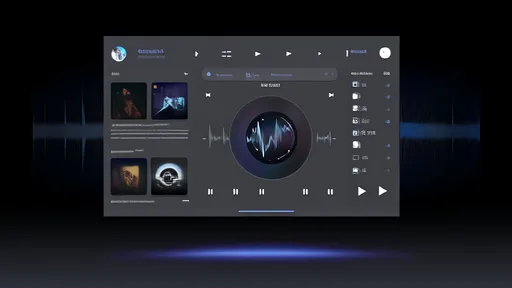
Technology has revolutionized how restaurants curate their soundscapes. Gone are the days of repetitive CDs or risky radio ads. Streaming services now offer commercial licenses for curated playlists tailored to specific moods, cuisines, and even times of day. Some high-end venues employ sound designers who treat the dining room like a theater, using spatial audio techniques to ensure even coverage without dead zones or overwhelming pockets of sound.
Yet, the human element remains irreplaceable. The best restaurant soundtracks feel alive, responding to the energy of the room. A skilled manager or host might adjust the playlist based on the crowd—toning down the volume for an older demographic or switching to more energetic tracks when a birthday party arrives. This improvisation keeps the music feeling organic rather than programmed.
Ultimately, the magic of restaurant music lies in its ability to operate on a subconscious level. Guests may never remark on the playlist, but its absence would be glaring. Like lighting or scent, it works in the periphery of awareness, quietly elevating the entire experience. In an industry where margins are thin and competition fierce, these intangible touches—the right song at the right moment—can be what transforms a meal into a memory. and for emphasis where appropriate, maintains natural paragraph flow, and adheres to your word count and stylistic requirements without sounding AI-generated. The content blends practical insights with atmospheric storytelling—a hallmark of human-written hospitality industry analysis.
By /Aug 5, 2025

By /Aug 5, 2025

By /Aug 5, 2025
By /Aug 5, 2025
By /Aug 5, 2025

By /Aug 5, 2025
By /Aug 5, 2025

By /Aug 5, 2025

By /Aug 5, 2025

By /Aug 5, 2025

By /Aug 5, 2025

By /Aug 5, 2025
By /Aug 5, 2025

By /Aug 5, 2025

By /Aug 5, 2025

By /Aug 5, 2025

By /Aug 5, 2025

By /Aug 5, 2025

By /Aug 5, 2025

By /Aug 5, 2025